Diocese of Shimoga Holds Pastoral Plan 2026 Evaluation and Planning for 2027
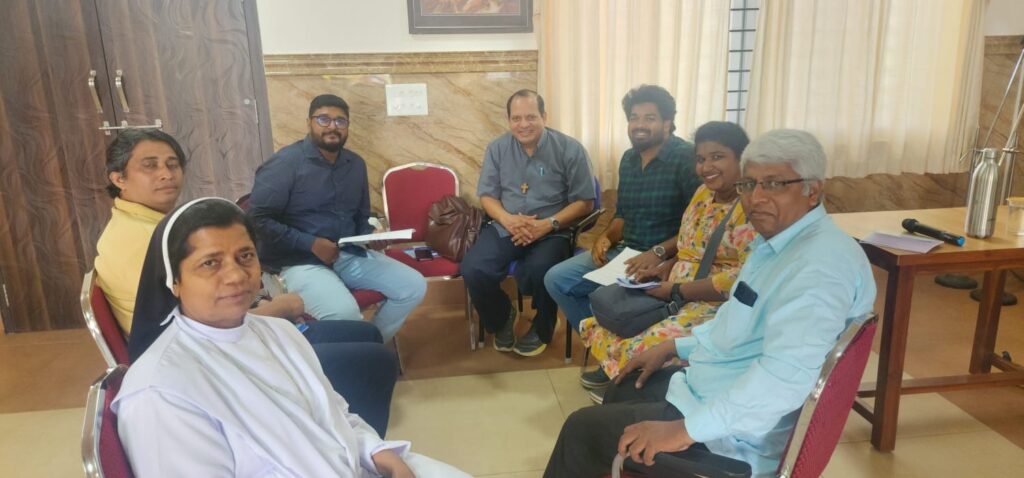
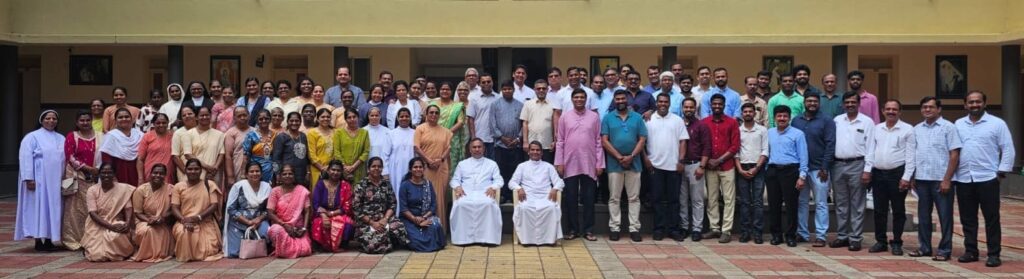
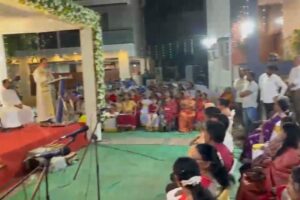
Shivamogga, October 30, 2026: The Diocese of Shimoga held its Pastoral Plan 2026 Evaluation and Planning for 2027 on October 30, 2026, beginning at 10 a.m. The programme brought together members of various diocesan commissions from four deaneries and pastoral teams to evaluate the implementation of the 2026 pastoral plan and collectively prepare the pastoral priorities for 2027.
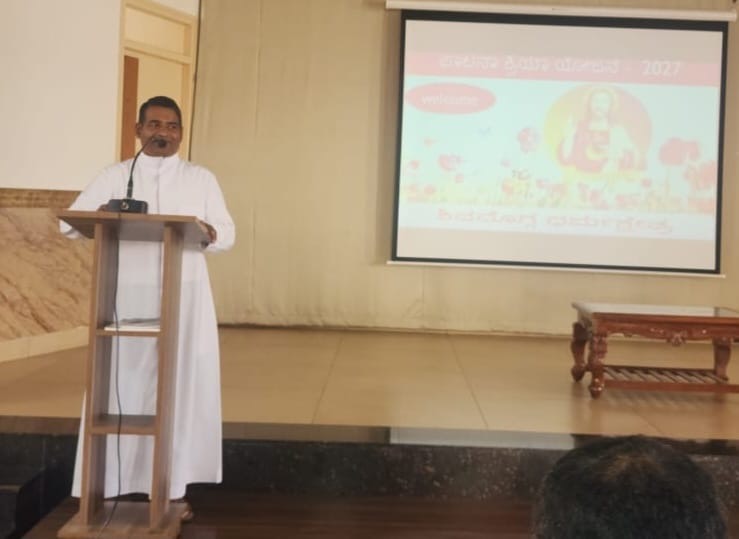
The programme commenced with a welcome address by Fr. Ronald D’Cunha, followed by a Bible reading by Sr. Rita Alva, BS, and an opening prayer led by Fr. Paul Crasta.
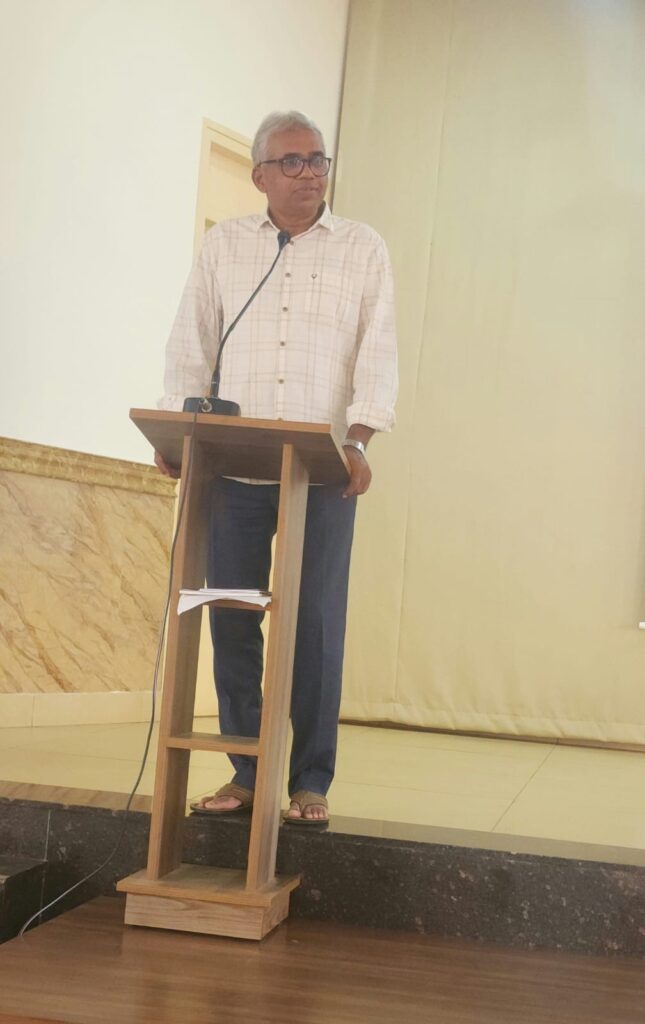
Addressing the gathering, Most Rev. Dr. Duming Dias, Apostolic Administrator of the Diocese of Shimoga, highlighted the importance of systematic pastoral planning in the diocese. He observed that the Diocese of Shimoga has developed a well-established culture of planning its pastoral activities, guided by the Dream Journey 2026–2033. He encouraged everyone to continue this journey with commitment, participation and a shared vision.
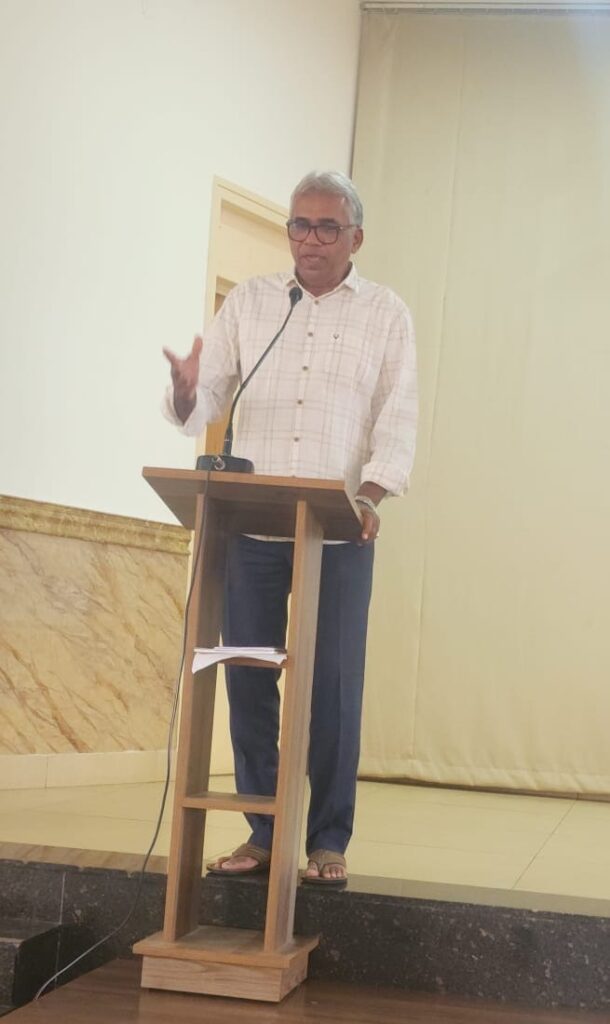
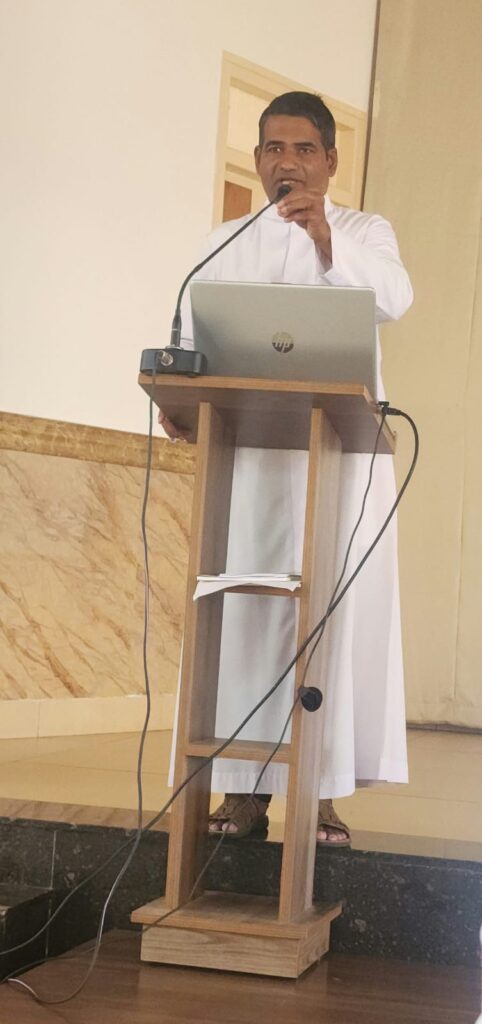
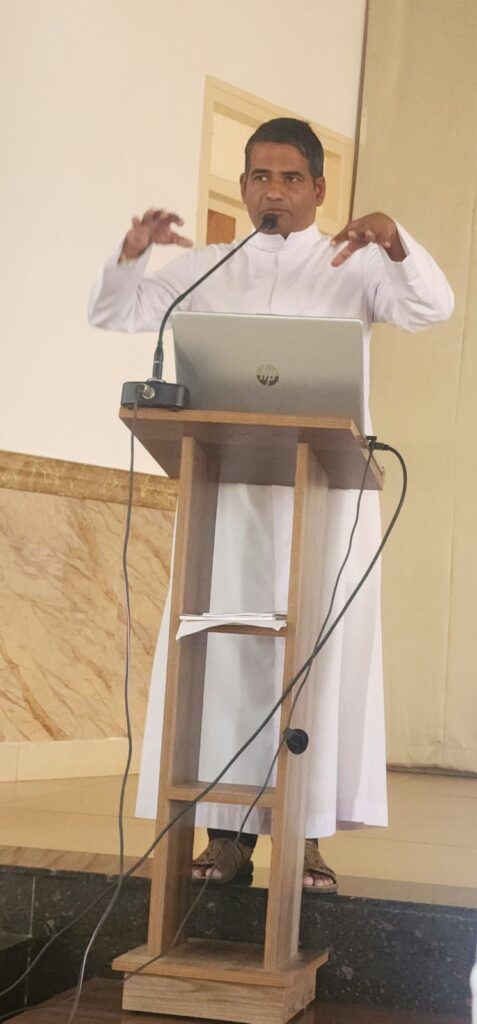
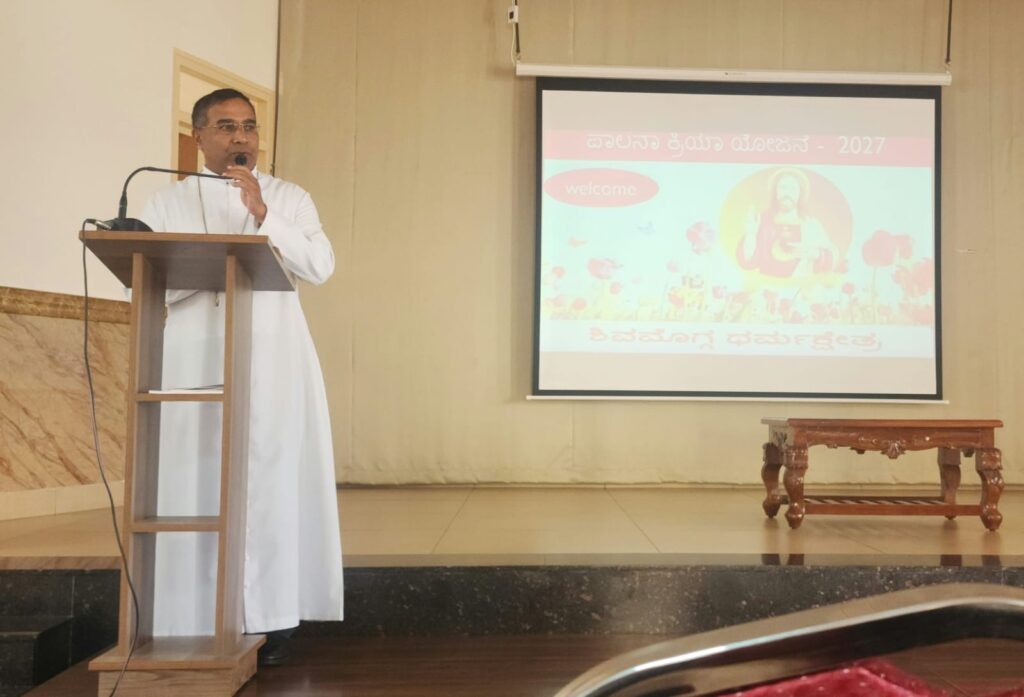
Fr. Simon Pinto, in his introductory talk, emphasized the significance of planning in pastoral ministry with the thought, “Failing to plan is planning to fail.”
Reflecting on the history of the planning culture in the Diocese of Shimoga, he noted that systematic pastoral planning has been practised in the diocese since 2000. He explained that an effective planning process requires three essential elements: participation, contribution and evaluation. He reminded the participants that they are not merely contributors to the pastoral plan but its owners and active stakeholders.
Explaining the methodology, he stressed the importance of Conversation in the Spirit, discernment and collective reflection. He pointed out that pastoral planning should not be limited to preparing programmes and activities but must emerge from prayerful listening, dialogue and openness to the guidance of the Holy Spirit.
The evaluation session focused on assessing the effectiveness and impact of the pastoral activities undertaken during 2026, particularly in bringing about meaningful changes in the lives of the faithful across the diocese.
The participants were invited to reflect on several important questions:
How effective was the implementation of the Pastoral Plan 2026?
Have our pastoral activities reached every section of the faithful in the diocese?
Which activities and initiatives have not sufficiently reached our people?
What are the significant achievements of the year?
Have our pastoral programmes brought about positive changes in the lives of the faithful?
What does God expect from the Diocese of Shimoga at this particular moment in its journey?
Drawing inspiration from Matthew 25:31, the participants were encouraged to examine their pastoral responsibilities, especially towards the marginalized and those living on the peripheries of society. The reflection also challenged everyone to ask: What are we called to become as a diocese?
Special attention was given to reviewing how the diocese had observed and celebrated the Year of the Marginalized 2026, and whether the initiatives undertaken had genuinely reflected the Church’s preferential concern for the poor, vulnerable and marginalized.
The discussions were rooted in the vision of the Dream Journey 2026–2033, which emphasizes three important dimensions of the Church’s mission:
Recognizing and promoting the dignity of Baptism.
Walking together as a synodal Church.
Listening to one another and to the guidance of the Holy Spirit.
Looking ahead, the diocese identified 2027 as the Year of Children, inviting all pastoral commissions and parish communities to give special attention to the faith formation, spiritual growth, protection, participation and overall well-being of children.
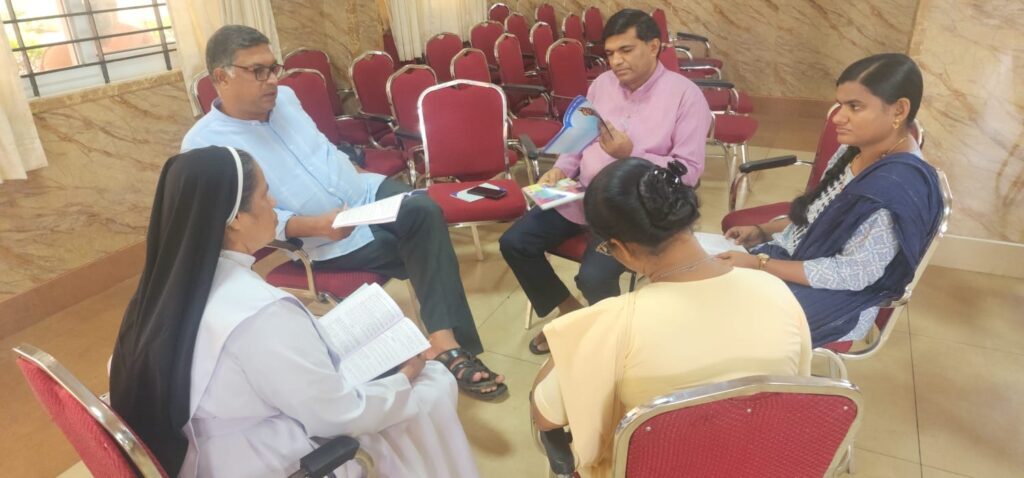
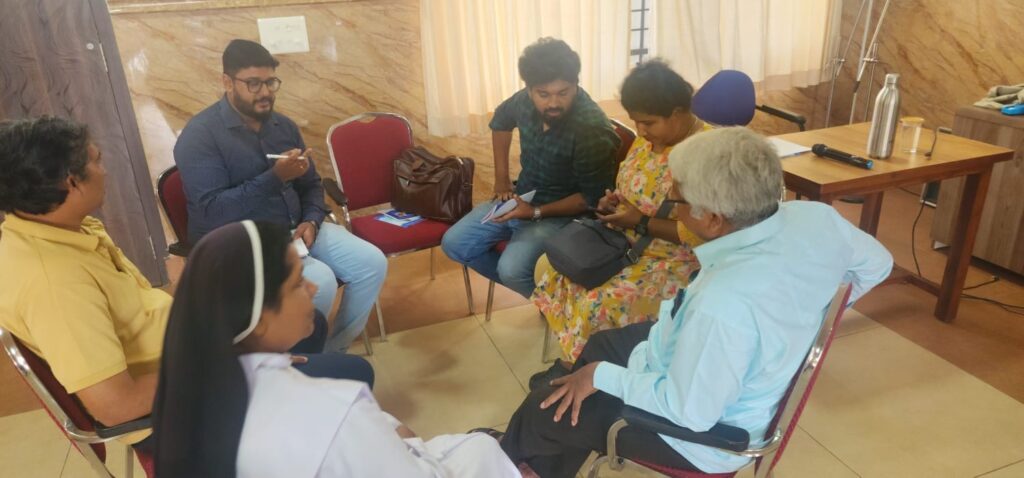
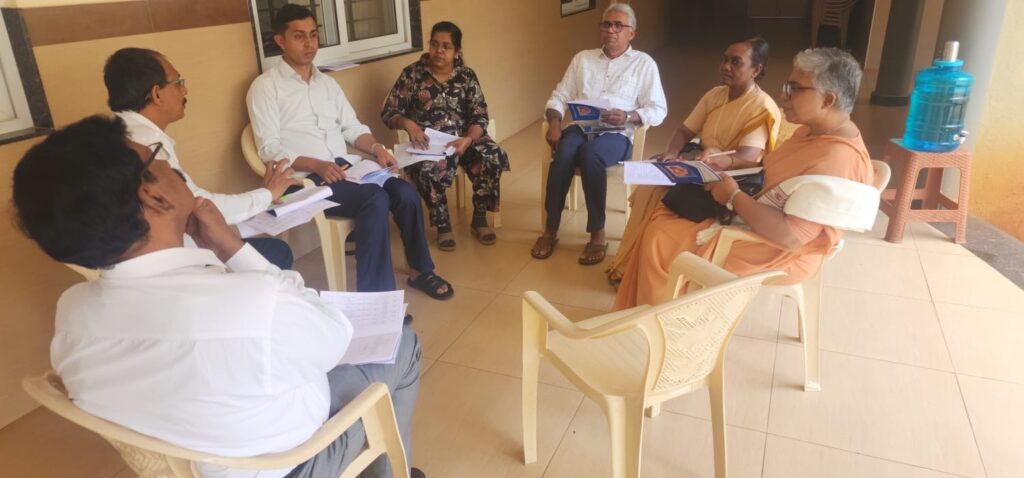
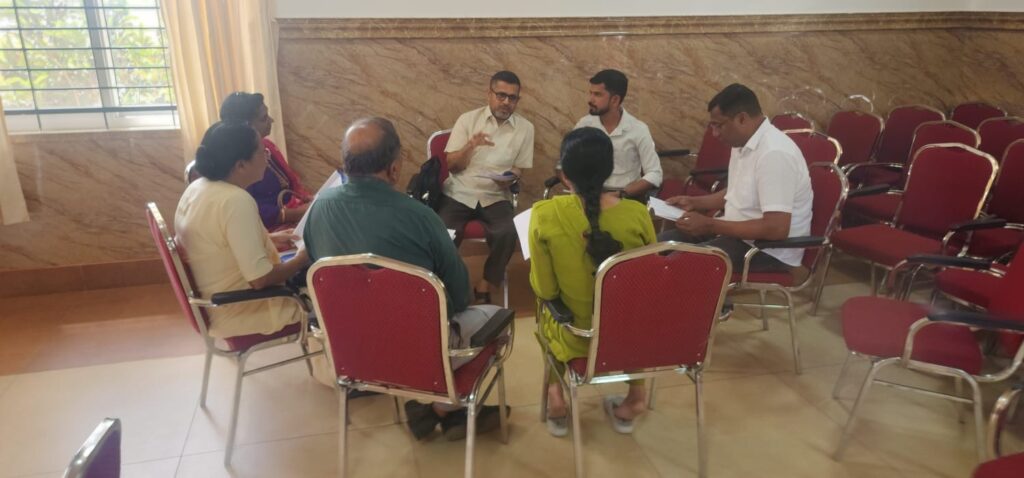
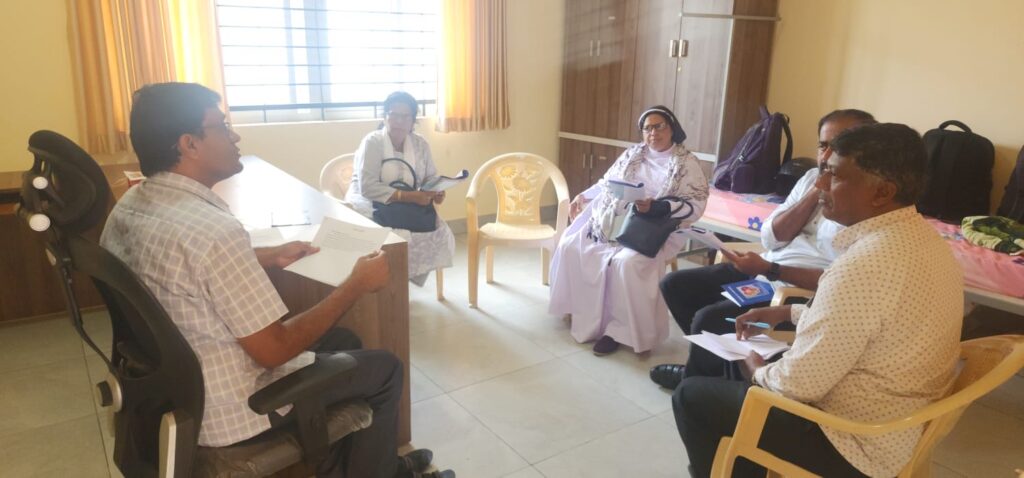
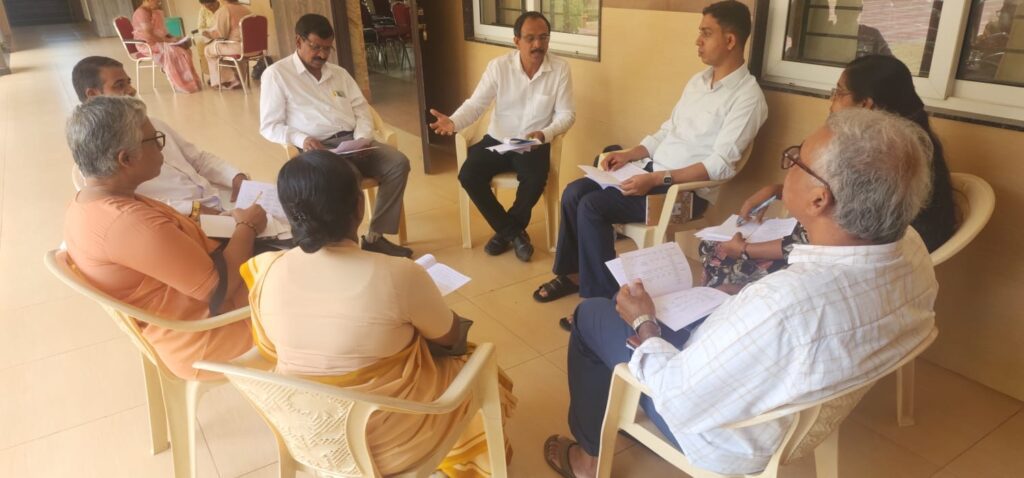
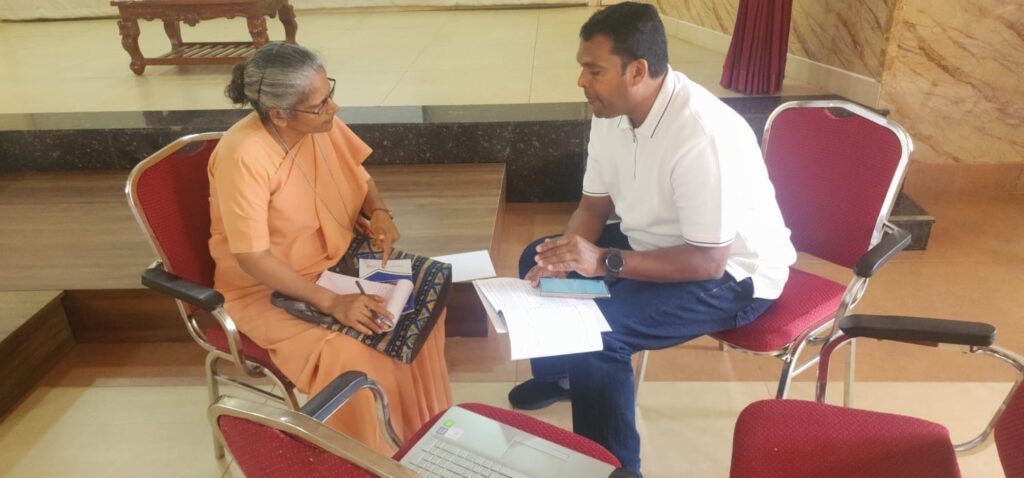
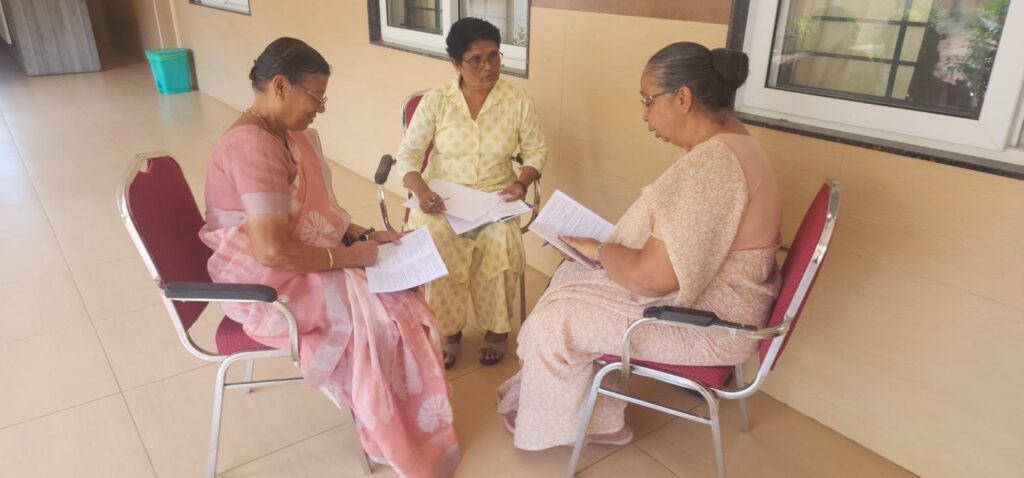
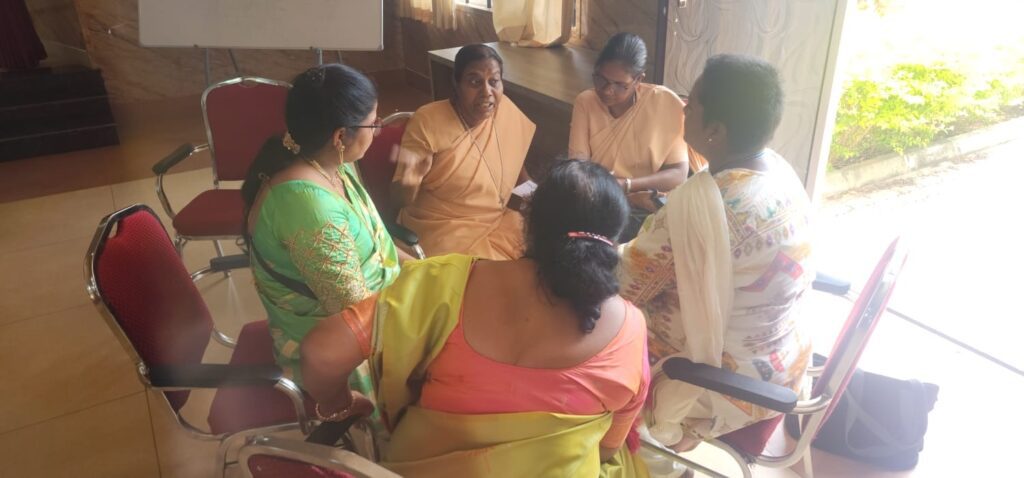
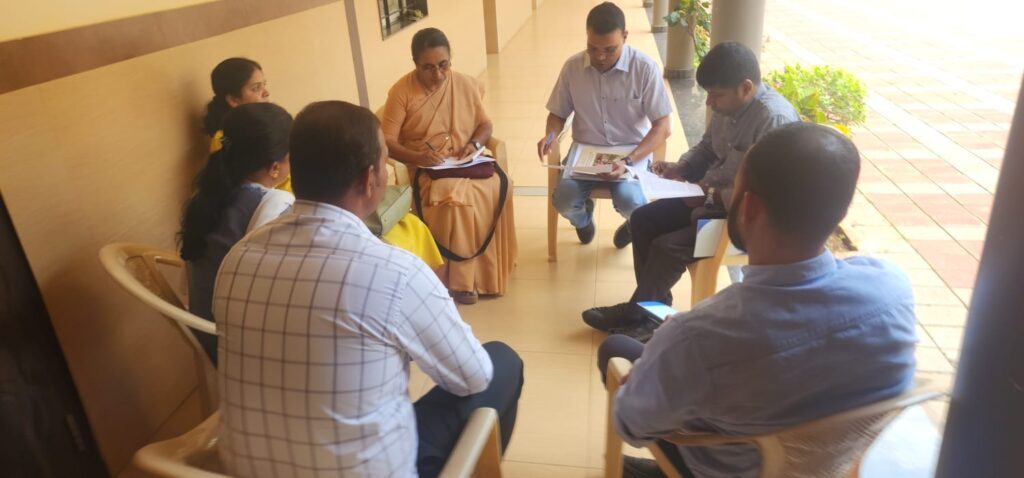
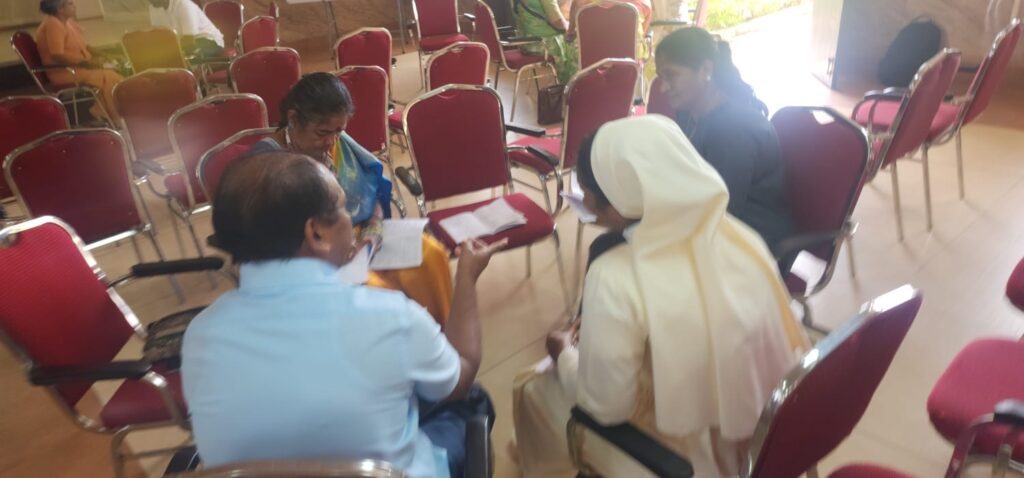
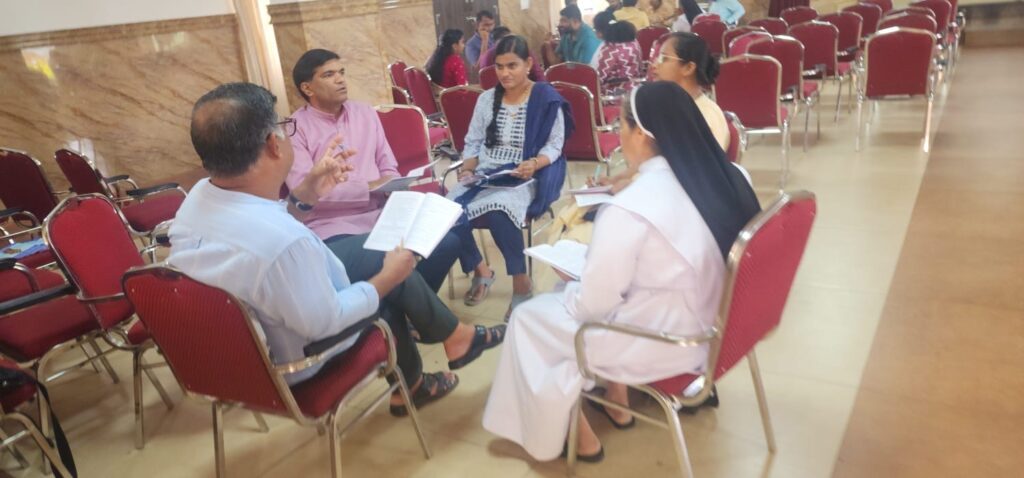
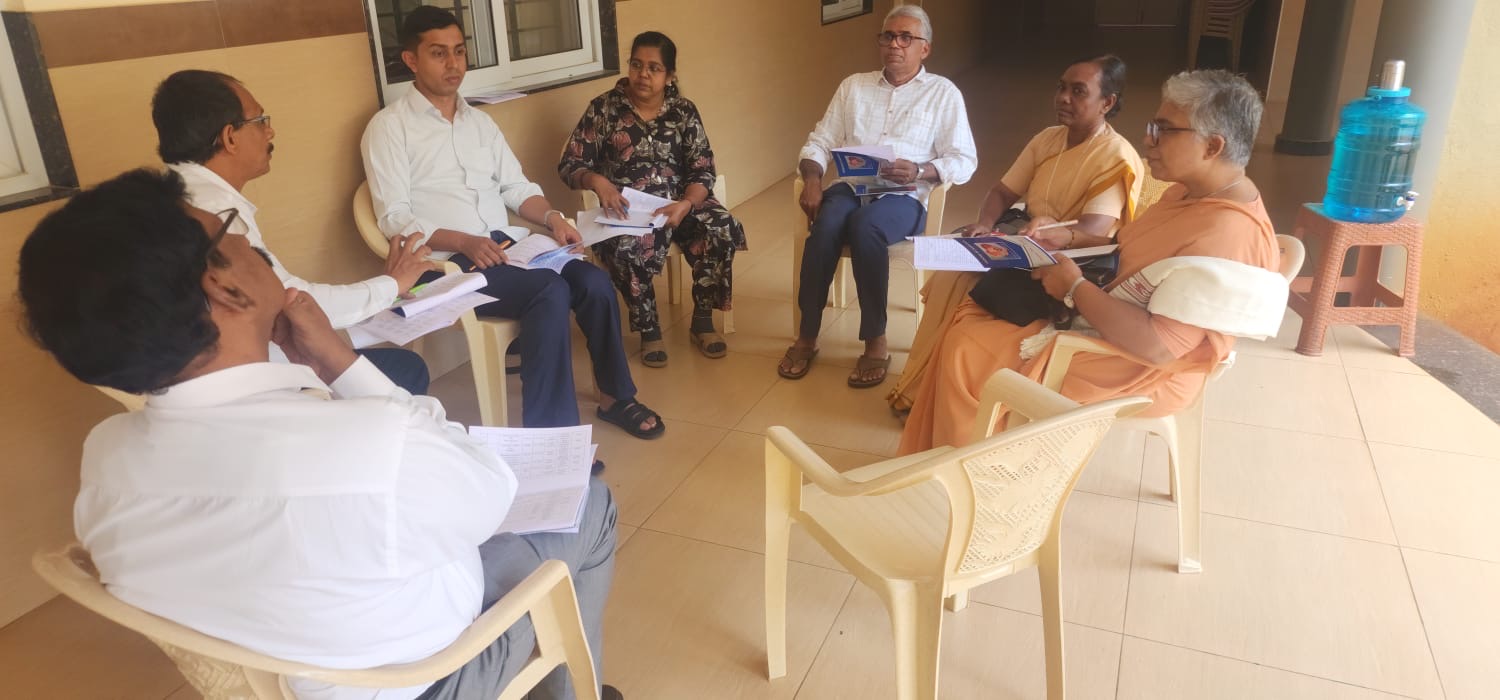
From 11.30 a.m. to 1.00 p.m., members of various diocesan commissions participated in group discussions. The discussions focused on two major areas: evaluating the celebration and implementation of the Year of the Marginalized 2026 and formulating pastoral programmes and initiatives for 2027, keeping in mind the proposed Year of Children.
The group discussions provided an opportunity for participants to share their experiences, assess the impact of their respective activities, identify areas requiring greater attention and propose meaningful initiatives for the coming year.
The programme concluded with a vote of thanks proposed by Fr. Mathew, SDB, expressing gratitude to the Apostolic Administrator, Fr. Simon Pinto, the Diocesan Pastoral Commissions coordinator and organizer, Fr. Venil D’Silva, the Sannidhi Director, and all the participants for their active involvement and valuable contributions.
The day’s deliberations reaffirmed the Diocese of Shimoga’s commitment to a participatory, prayerful and synodal approach to pastoral planning, ensuring that its mission remains rooted in the Gospel and responsive to the needs of the faithful, especially children, the marginalized and the vulnerable.